Saturday, April 5, 2025

How to Cat with Your Cat: A Practical Guide to Being Less Weird Than You Think

    Cats. Those purring, plotting, four-legged enigmas who rule our homes like tiny, furry emperors. You didn’t adopt a cat—you signed up for a masterclass in humility and telepathy. If you’ve ever caught yourself meowing back or making suspicious eye contact while your cat blinks slowly like a cryptic oracle, congratulations: you’re officially trying to “cat” with your cat. But are you doing it right?

    
Here’s a guide to help you co-exist, co-communicate, and possibly co-nap with your feline like a respectable human companion—not an awkward roommate who doesn't speak the language.


 1. Speak Fluent Feline (Or at Least Stop Being Rude)

Cats speak in body language more than sound. You might think they meow to say “I love you,” but it’s usually “You’re late with the food.” Ears turned sideways? Suspicion. Tail twitching? Annoyance loading. Slow blink? The holy grail of trust. Return it—don’t stare like a creep. Blink back slowly and look away. That’s cat for “I see you, I trust you, I’m not going to eat your sandwich when you leave the room.”

Also, don’t smother. If a cat wants attention, it will make it weirdly obvious—walking across your keyboard, sitting on your book, or staring at you until you feel your soul unravel. That’s your cue. Respect it. If not, give them space, and don't take it personally. Cats are introverts with fur.


 2. Play Like a Predator, Not a Clown

Wand toys aren’t for flailing around randomly. Cats are hunters. Move the toy like prey. Make it dart behind furniture, freeze, skitter away, then pounce back like it’s taunting them. The thrill is in the chase, not the catch. Don’t just dangle it in their face like a piñata. That’s not “catting”—that’s insulting their dignity.

Five to ten minutes of strategic play is usually enough. Bonus points if you let them “win” by catching the toy at the end. It’s like finishing a video game level with snacks—immensely satisfying.


 3. Petting: Consent Required, Weird Rules Apply

Some cats want all the cuddles. Others act like your hand is a suspicious alien object until they suddenly decide it’s the best thing they’ve ever encountered. Petting zones vary, but the general rule is: the chin, cheeks, and the base of the tail are usually safe. Belly rubs? Attempt only if you’ve updated your will.

Watch for feedback. A twitching tail, sudden freeze, or side-eye glance means you’ve overstepped. Stop. Apologize. Offer treats as reparations. It’s not groveling—it’s diplomacy.


4. Nap Strategically, Groom Occasionally, Judge Frequently

Cats sleep a lot. Like, Olympic-level napping. Join them. A 20-minute nap next to your cat can feel like the most restorative therapy session you didn’t know you needed. Grooming your cat with a brush they actually like (not the dollar-store plastic torture comb) can also deepen your bond. It mimics social grooming in cat colonies, where trust is built one lick at a time.

Judging? Yes, that’s a thing. Cats do silently evaluate your behavior. They notice everything. Your clumsiness, your lack of punctual feeding, your poor choice of socks. The good news? They’ll still curl up next to you when they feel like it. Which is the ultimate compliment.


5. Let the Furniture Go. It's Theirs Now.

That velvet armchair? No, it's a scratching post. Your new rug? A tactical base camp. The kitchen counter? A vantage point to surveil the kingdom. One of the fastest ways to frustrate both yourself and your cat is to try and enforce human furniture etiquette on an animal that doesn’t care about your Pinterest aesthetic.

Want peace? Redirect, not forbid. Invest in scratch-worthy alternatives—horizontal, vertical, cardboard, sisal—and place them strategically. Don’t hide them in a corner like a shameful secret; make them accessible. Sprinkle some catnip, play with toys around them, and soon your cat will forget your $800 West Elm ottoman exists. Probably.


 6. Routine Is Religion (Until They Break It)

Cats thrive on predictability. They want meals at the same time, play at the same time, and naps uninterrupted by your spontaneous vacuuming. Your cat doesn’t suffer from anxiety—you are the source of the chaos. 

Create structure, especially around feeding and enrichment. It keeps them confident and secure. But—here’s the twist—cats also like controlling the routine. They’ll get bored with toys you just bought, ignore the cat tree they loved last week, and sleep in the laundry basket just because it smells like existential comfort. Go with it. Be flexible within the structure. It's like improv jazz, but with tuna.


 7. Enrichment is Not Optional. Bored Cats Get Weird.

Imagine being locked in one building your whole life, with no hobbies, nothing to chase, and your only window to the world is an actual window. You’d knock things off tables too.

A mentally and physically stimulated cat is a content one. Rotate toys weekly. Use puzzle feeders. Make simple obstacle courses. Get a bird feeder outside your window for “Cat TV.” Hide treats around the house like a treasure hunt. You don’t need an Instagram-worthy cat room—you need to make their environment dynamic. If your cat starts hiding in your hoodie or picking philosophical fights with your plants, it’s a sign: they need enrichment.


 8. Grooming: The Trust Test You Didn’t Study For

Brushing your cat is more than aesthetic maintenance. It’s a social contract. Cats groom each other in colonies to build bonds and reduce tension. So when your cat lets you brush them—or even better, licks you back—they’re acknowledging you as part of their circle. Don't screw it up with a cheap brush or overzealous yanking. Find a brush that suits their fur type, and start slow. Think spa, not car wash.

Bonus tip: Trimming Claws doesn’t have to be a horror movie. Use treats, go one paw at a time, and associate it with calm energy. If your cat senses you’re nervous, they will absolutely use that against you.


 9. Stop Trying to Win. You're Not the Alpha.

This isn’t a dog pack. There is no alpha here. If you try to dominate your cat, you’ll lose. Every. Single. Time. Cats don’t respond to discipline—they respond to outcomes. If a behavior gets them food, attention, or access, they’ll repeat it. If it gets ignored or redirected to something better, they’ll adapt. Eventually. Sometimes.

What works? Positive reinforcement, consistency, and emotional neutrality. That’s it. No yelling, no spray bottles. You're not training them; you're negotiating terms of coexistence. You can set boundaries, sure—but respect is mutual, and earned in quiet ways. Mostly by not being weird about eye contact and showing up with treats.


 10. In the End, Just Be There

Cats may not be overtly affectionate in the ways we humans often expect. But if your cat chooses to sit near you, follow you from room to room, or just exist in your general orbit—they’re telling you that you matter. They want presence, not performative affection. Just be there. Sit quietly while they nap. Let them chirp at birds while you read. Coexist in the sacred ritual of doing nothing, together.

This is the heart of “catting” with your cat: showing up consistently, without demand, without ego, and allowing a complex, independent creature to invite you into their world. On their terms. Which, if we’re honest, is the only way any meaningful relationship works—whiskers or not.

Final-final Thought

 “Catting” isn’t about mastering a species—it’s about unlearning your need for control and learning the value of subtle, shared moments. If you do it right, your cat may never say “thank you”—but one day, you’ll find them purring in your lap with their eyes half-closed, and that silence will be the loudest compliment you’ve ever received. 

Friday, April 4, 2025

Understanding Contraceptive Pills: A Comprehensive Guide for Women


Contraceptive pills, commonly referred to as birth control pills, are among the most widely used methods of preventing pregnancy. They offer women a convenient and effective way to control their reproductive health. However, with the vast amount of information available, it can be challenging to distinguish fact from myth. This article provides an evidence-based overview of contraceptive pills, their benefits, risks, and considerations for use.


How Contraceptive Pills Work

Contraceptive pills primarily work by regulating hormones to prevent ovulation—the release of an egg from the ovaries. They also thicken cervical mucus, making it more difficult for sperm to reach the egg, and alter the uterine lining, reducing the likelihood of implantation if fertilization occurs.

There are two main types of contraceptive pills:

1. Combined Oral Contraceptives (COCs) – These contain both estrogen and progestin. They prevent ovulation and are typically taken for 21 days, followed by a 7-day break or placebo period.

2. Progestin-Only Pills (POPs) – Also known as the mini-pill, these contain only progestin and primarily work by thickening cervical mucus. Unlike COCs, they must be taken at the same time every day for maximum effectiveness.


Effectiveness and Proper Use

When used correctly, birth control pills are over 99% effective at preventing pregnancy. However, real-world use reduces this effectiveness to around 91%, often due to missed doses, inconsistent use, or interactions with other medications. To ensure optimal effectiveness:

- Take the pill at the same time daily.

- Follow the prescribed schedule strictly.

- Use backup contraception (such as condoms) if pills are missed.


Health Benefits Beyond Pregnancy Prevention

Apart from preventing pregnancy, contraceptive pills offer several non-contraceptive benefits, including:

  • Regulating Menstrual Cycles – Helps reduce irregular periods and heavy menstrual bleeding.
  • Reducing Menstrual Pain – Can alleviate symptoms of dysmenorrhea (painful periods).
  • Acne Management – Some COCs help reduce acne by decreasing androgen levels.
  • Lowering Risk of Certain Cancers – Long-term use has been associated with a reduced risk of ovarian and endometrial cancer.
  • Managing Polycystic Ovary Syndrome (PCOS) – Helps balance hormone levels and manage symptoms such as excessive hair growth and irregular periods.


Potential Risks and Side Effects

While generally safe for most women, contraceptive pills can have side effects. Common side effects include:

- Nausea

- Headaches

- Breast tenderness

- Mood changes

- Breakthrough bleeding (spotting between periods)


Serious risks, though rare, include an increased risk of blood clots, stroke, and hypertension, especially in women who smoke or have pre-existing cardiovascular conditions. Women with a history of blood clots, uncontrolled hypertension, or certain types of migraines may need alternative contraceptive methods.


Considerations Before Starting Birth Control Pills

Before starting contraceptive pills, it is essential to consider personal health history, lifestyle, and reproductive goals. Consulting a healthcare provider ensures that the chosen method aligns with individual health needs. Factors to discuss include:

  1. Medical history and risk factors.
  2. Current medications that may interact with birth control pills.
  3. Preference for a daily regimen versus long-acting alternatives.
  4. Plans for future pregnancy and the option of reversible contraception.


Alternative Contraceptive Methods

While birth control pills are effective and widely used, they are not the only option available. Other methods include:

  1. Intrauterine Devices (IUDs) – Long-acting reversible contraceptives with high efficacy.
  2. Implants – A small device placed under the skin that releases hormones for years.
  3. Patches and Vaginal Rings – Hormonal options that do not require daily intake.
  4. Barrier Methods (Condoms, Diaphragms) – Provide protection against pregnancy and sexually transmitted infections (STIs).


Final Thoughts

Contraceptive pills provide a reliable and convenient option for pregnancy prevention while offering additional health benefits. However, they are not a one-size-fits-all solution. Women should make informed decisions based on their individual health, lifestyle, and personal preferences. Consulting a healthcare provider can help determine the best contraceptive choice for each person’s unique needs. With the right approach, contraceptive pills can be a safe and effective tool for reproductive health management.


Thursday, April 3, 2025

Asthma: A Comprehensive Guide for Patients, Parents, and Caregivers


Asthma is a chronic inflammatory disease of the airways that affects millions of people worldwide. It is characterized by episodic wheezing, breathlessness, chest tightness, and coughing, often triggered by allergens, exercise, or respiratory infections. Proper management is essential to prevent exacerbations, reduce hospitalizations, and improve quality of life.

Understanding Asthma: Causes and Risk Factors

Asthma is caused by a combination of genetic and environmental factors. Common risk factors include:

Genetic predisposition: A family history of asthma or allergic conditions increases the likelihood of developing asthma.

Allergen exposure: Pollen, dust mites, mold, pet dander, and cockroach droppings are common triggers.

Respiratory infections: Viral infections in early childhood can increase the risk of developing asthma.

Environmental pollutants: Air pollution, tobacco smoke, and occupational exposures contribute to airway inflammation.

Exercise and cold air: Physical exertion and exposure to cold, dry air can trigger bronchoconstriction in asthmatics.

Signs and Symptoms

Asthma symptoms vary in severity and frequency. Common signs include:

- Recurrent episodes of wheezing

- Shortness of breath, particularly at night or early morning

- Persistent cough, especially after exercise or exposure to allergens

- Chest tightness or pressure

 Severe asthma attacks can lead to respiratory distress, requiring emergency medical attention.

 Diagnosis and Monitoring

Diagnosis is based on clinical history, physical examination, and lung function tests. Key diagnostic tools include:

Spirometry: Measures airflow obstruction and reversibility after bronchodilator use.

Peak Expiratory Flow (PEF): Helps monitor asthma control at home.

Fractional Exhaled Nitric Oxide (FeNO): Assesses airway inflammation in eosinophilic asthma.

Allergy Testing: Identifies specific allergens that may trigger asthma symptoms.

Practical Management Strategies

Managing asthma requires a combination of medication use, lifestyle modifications, and trigger avoidance.

1. Medication Adherence

Asthma treatment follows a stepwise approach, adjusting therapy based on symptom control and exacerbation frequency:

- Quick-relief medications: Short-acting beta-agonists (SABAs) like albuterol provide immediate symptom relief.

- Controller medications: Inhaled corticosteroids (ICS) such as fluticasone reduce airway inflammation. Long-acting beta-agonists (LABAs) are combined with ICS for moderate-to-severe asthma.

- Biologic therapies: Monoclonal antibodies (e.g., omalizumab, mepolizumab) target specific inflammatory pathways in severe asthma (Pavord et al., 2019).

 2. Environmental Control

Reducing exposure to triggers can prevent exacerbations:

- Use HEPA filters and vacuum regularly to reduce indoor allergens.

- Wash bedding weekly in hot water to eliminate dust mites.

- Keep pets out of bedrooms and off furniture.

- Avoid tobacco smoke and strong odors, such as perfumes and cleaning chemicals.

- Monitor air quality and limit outdoor activities during high-pollution days.

 3. Breathing Techniques and Physical Activity

- Buteyko breathing and pursed-lip breathing can improve lung function and reduce reliance on rescue inhalers.

- Exercise benefits include improved lung capacity and reduced airway inflammation. Swimming is particularly beneficial due to warm, humid air reducing bronchospasm risk.

- Weight management: Obesity worsens asthma severity and reduces medication efficacy (Peters et al., 2018).

Advice for Parents and Caregivers

Managing asthma in children requires vigilance and education. Parents and caregivers should:

- Develop an asthma action plan in collaboration with a healthcare provider.

- Recognize early signs of an exacerbation and initiate treatment promptly.

- Ensure proper inhaler technique, as improper use reduces medication effectiveness.

- Communicate with schools and daycare centers about the child’s asthma management plan.

- Encourage vaccination against influenza and pneumonia to prevent respiratory infections.

New Advances in Asthma Treatment

Recent research has led to promising developments in asthma management:

Smart inhalers: Digital devices that track medication usage and provide reminders have improved adherence rates (Chan et al., 2021).

Gene therapy: Ongoing studies are exploring genetic interventions to modify immune responses in asthma (Ray et al., 2020).

Targeted biologics: New monoclonal antibodies are being developed to address non-eosinophilic asthma subtypes.

- Microbiome research: Studies suggest that gut and lung microbiota play a role in asthma development, opening avenues for probiotic treatments (Fujimura et al., 2016).

Unknown and Unexpected Facts About Asthma

Asthma Can Affect the Voice: Chronic airway inflammation can lead to hoarseness and vocal cord dysfunction.

Nocturnal Asthma Peaks at 4 AM: Cortisol levels drop overnight, leading to increased airway inflammation and symptoms.

Cold Air Worsens Symptoms, But a Hot Shower Can Help: Warm, moist air can open airways and ease breathing during an attack.

Beta-Blockers Can Worsen Asthma: Medications commonly used for high blood pressure can trigger bronchospasms.

Last Words

    Asthma is a manageable but serious condition that requires ongoing attention. Through proper medication use, environmental modifications, and lifestyle adjustments, patients and caregivers can significantly improve asthma control and reduce flare-ups. New treatments and scientific advancements continue to offer hope for better outcomes. By staying informed and proactive, individuals with asthma can lead full and active lives.


 References

Chan, A. H. Y., et al. (2021). Smart inhalers: Past, present, and future. Respiratory Medicine.

Fujimura, K. E., et al. (2016). The microbiome in asthma: Role in pathogenesis and potential therapeutic implications. Journal of Allergy and Clinical Immunology.

Pavord, I. D., et al. (2019). Biologic therapies for severe asthma: Advances and challenges. Lancet Respiratory Medicine.

Peters, U., et al. (2018). The impact of obesity on asthma control. Current Opinion in Pulmonary Medicine.

Ray, A., et al. (2020). Gene therapy and asthma: Emerging molecular targets. American Journal of Respiratory Cell and Molecular Biology.

Wednesday, April 2, 2025

Diabetes and Women: A Comprehensive Guide for Patients and Caregivers


Diabetes is a chronic metabolic disorder that affects millions of people worldwide. For women, the challenges of diabetes can be particularly complex, as they often juggle not only their own health but also the well-being of family members. Whether you are managing diabetes yourself or caring for a loved one, understanding how this condition affects women differently is crucial. From hormonal changes to pregnancy-related risks and long-term complications, women need targeted strategies to maintain optimal health.


Understanding Diabetes: Types and Risks

Diabetes is classified into three primary types:

1. Type 1 Diabetes (T1D): This autoimmune disorder occurs when the body's immune system mistakenly attacks insulin-producing beta cells in the pancreas. As a result, individuals with T1D require lifelong insulin therapy. Although it is more commonly diagnosed in childhood or adolescence, adult-onset Type 1 diabetes is not uncommon (Atkinson et al., 2021).

2. Type 2 Diabetes (T2D): This is the most prevalent form of diabetes, characterized by insulin resistance and eventual pancreatic beta-cell dysfunction. T2D is often linked to lifestyle factors such as poor diet, lack of exercise, and obesity, but genetics also play a role (DeFronzo et al., 2022). Women with a history of gestational diabetes or polycystic ovary syndrome (PCOS) are at increased risk.

3. Gestational Diabetes Mellitus (GDM): This condition occurs during pregnancy when hormonal shifts lead to insulin resistance. While GDM usually resolves after childbirth, it significantly increases a woman’s risk of developing T2D later in life (Buchanan et al., 2022). Additionally, children born to mothers with GDM are at higher risk for obesity and diabetes.


    Women with diabetes face unique challenges. Hormonal fluctuations during menstrual cycles, pregnancy, and menopause can significantly impact blood glucose levels, making diabetes management more complicated (Kautzky-Willer et al., 2016). Furthermore, diabetes increases the risk of cardiovascular disease, kidney disease, and neuropathy—conditions that women may experience differently than men.


Key Warning Signs to Watch For

    While diabetes symptoms can vary, women should be particularly mindful of certain signs that may indicate poorly controlled blood sugar levels:

- Persistent Fatigue: When cells are unable to use glucose efficiently, energy levels drop, leading to chronic exhaustion.

- Frequent Yeast Infections and Urinary Tract Infections: High blood sugar provides a favorable environment for bacteria and fungi to thrive.

- Menstrual Irregularities: Insulin resistance can interfere with ovulation, leading to irregular periods or worsening symptoms of PCOS (Mor et al., 2021).

- Unexplained Weight Loss or Gain: In T1D, rapid weight loss can occur due to the body breaking down fat and muscle for energy. In T2D, insulin resistance may lead to excessive weight gain.

- Numbness or Tingling in the Hands and Feet: This can be an early sign of diabetic neuropathy, a condition that can progress if left untreated.


Essential Tests for Diabetes Management

    Routine testing is essential to track progress and detect potential complications early. Women managing diabetes should regularly undergo the following tests:

A1C Test: Provides an average blood glucose level over the past three months. The target for most diabetics is below 7%, but this may vary based on individual health goals.

Fasting Blood Glucose (FBG): A reading of 70–99 mg/dL is considered normal, while a level of 126 mg/dL or higher indicates diabetes.

Oral Glucose Tolerance Test (OGTT): Commonly used to diagnose gestational diabetes and prediabetes.

Lipid Profile: Women with diabetes are at increased risk for high cholesterol, which can lead to heart disease.

Kidney Function Tests: Diabetes is the leading cause of chronic kidney disease, so regular screening is crucial (Forbes & Fotheringham, 2017).

Annual Eye Exam: To detect early signs of diabetic retinopathy, a condition that can lead to blindness if untreated.


Diet and Lifestyle: Practical Strategies

    Maintaining a balanced lifestyle is one of the most effective ways to control diabetes. Here are key dietary and lifestyle adjustments that can make a significant difference:

Glycemic Index Awareness: Focus on low-GI foods such as whole grains, legumes, and non-starchy vegetables to prevent blood sugar spikes.

Protein and Fiber Intake: Adding lean proteins (chicken, fish, tofu) and high-fiber foods (beans, nuts, leafy greens) can help stabilize blood sugar levels and promote satiety.

Intermittent Fasting (IF): Some studies suggest that IF may improve insulin sensitivity and lower HbA1c levels (Patterson et al., 2017), but it may not be suitable for all diabetics, especially those on insulin.

Regular Exercise: A combination of resistance training and cardiovascular workouts can significantly improve glucose metabolism.

Stress Management: Chronic stress raises cortisol levels, which can contribute to insulin resistance (Herbert & Cohen, 1993). Practices like meditation, yoga, and deep breathing exercises can help.


Medications and Treatment Advances

Metformin: A first-line medication for T2D that enhances insulin sensitivity and reduces glucose production in the liver.

GLP-1 Receptor Agonists: These medications, such as liraglutide, not only help control blood sugar but also promote weight loss.

SGLT2 Inhibitors: By increasing glucose excretion through urine, these drugs lower blood sugar levels but also increase the risk of urinary tract infections.

Insulin Therapy: Essential for T1D and sometimes necessary for T2D when oral medications are insufficient.

Emerging Treatments: Scientists are investigating pancreatic islet transplantation and stem cell therapy as potential long-term solutions for diabetes (Shapiro et al., 2017).


Bizarre but True Facts About Diabetes

Diabetes Can Change Your Breath’s Smell: In severe cases of ketoacidosis, the body produces excess ketones, causing the breath to smell fruity (Umpierrez et al., 2002).

Artificial Sweeteners Might Still Spike Insulin: Some zero-calorie sugar substitutes can still trigger an insulin response (Pepino et al., 2013).

Higher Risk of Hearing Loss: Studies suggest that diabetes damages the small blood vessels in the inner ear, leading to an increased risk of hearing impairment (Bainbridge et al., 2008).

Stronger Link to Depression in Women: Women with diabetes are twice as likely to experience depression compared to men, possibly due to hormonal interactions (Golden et al., 2008).


 Final Thoughts

    Diabetes management is not just about controlling blood sugar levels—it’s about adopting a holistic approach to overall health. Women, whether managing their own diabetes or caring for a family member, must be proactive in monitoring symptoms, making informed lifestyle choices, and staying up-to-date on treatment options. With ongoing medical advancements and a commitment to self-care, living well with diabetes is entirely possible. By understanding the unique ways in which diabetes affects women, individuals can take meaningful steps toward a healthier and more balanced life.


Monday, March 31, 2025

Practical Steps for Managing Respiratory Illness in Children


Respiratory illnesses are among the most common reasons children require medical attention. Conditions such as the common cold, influenza, respiratory syncytial virus (RSV), and pneumonia can cause significant discomfort and, in some cases, serious complications (Centers for Disease Control and Prevention [CDC], 2023). Young children, particularly infants and those with underlying health conditions, are at higher risk for severe symptoms and complications. Prompt and appropriate management at home can reduce the severity of symptoms and prevent further health risks. 


Recognizing Symptoms

Children with respiratory infections may exhibit a range of symptoms depending on the severity of the illness:

Mild symptoms: Runny nose, nasal congestion, mild cough, low-grade fever, sneezing, and mild fatigue (American Academy of Pediatrics [AAP], 2023).

Moderate symptoms: Persistent cough, difficulty feeding (especially in infants), wheezing, increased irritability, and interrupted sleep patterns.

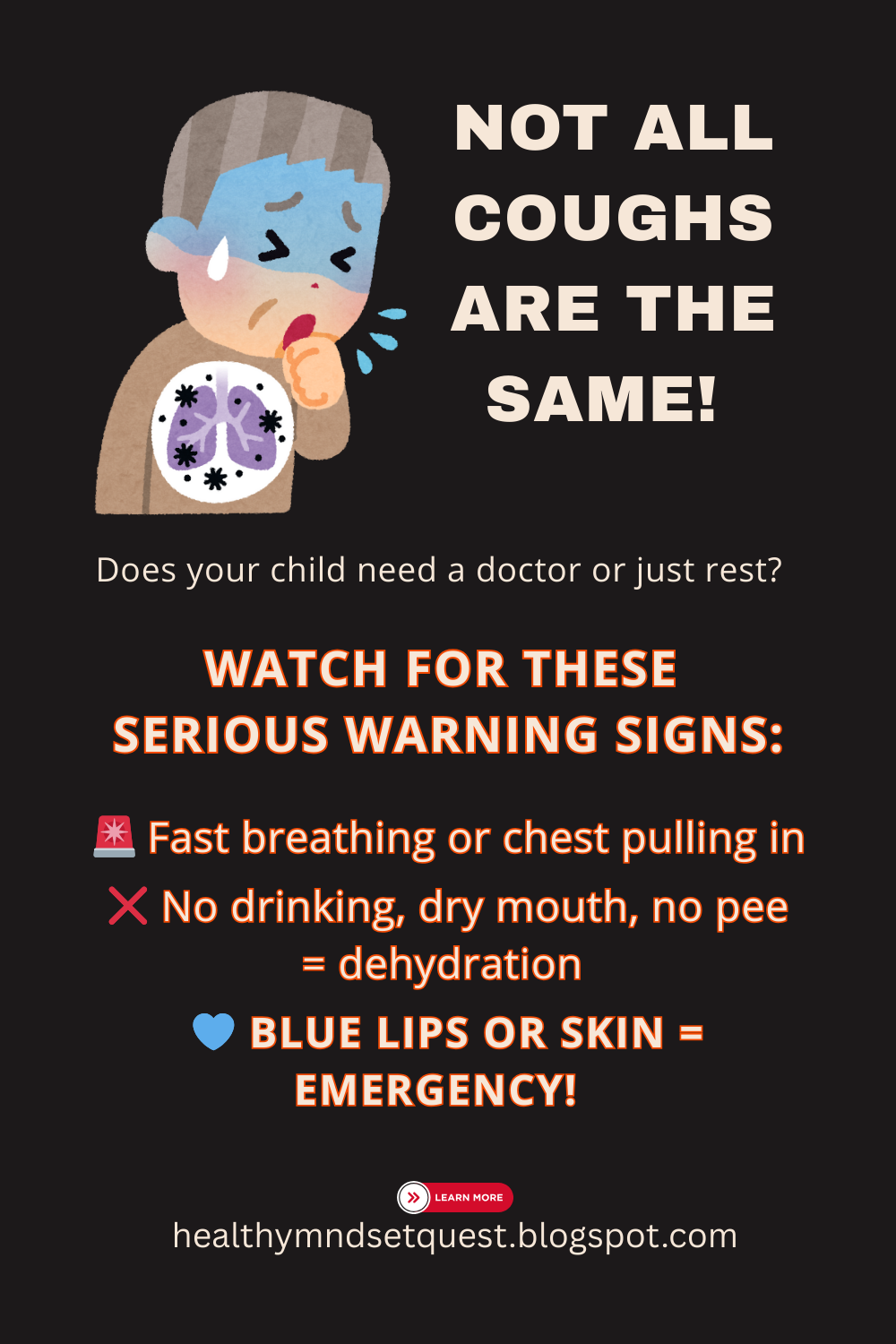
Severe symptoms: High fever (above 102°F or 39°C), difficulty breathing, rapid breathing, chest retractions (visible pulling in of the chest while breathing), bluish lips or skin (cyanosis), excessive sleepiness, or unresponsiveness (World Health Organization [WHO], 2023). 


If a child exhibits severe symptoms, immediate medical attention is required.


Practical Home Management

Managing respiratory infections at home involves symptom relief, hydration, rest, and careful monitoring. 

 1. Ensure Proper Hydration

- Keeping the child well-hydrated helps thin mucus, making it easier to clear the airways.

- Infants should continue breastfeeding or formula feeding to maintain hydration and immune support (WHO, 2023).

- Older children can be offered warm fluids like broth, herbal teas, and diluted fruit juice to soothe the throat and prevent dehydration.

- Signs of dehydration to watch for include dry mouth, lack of tears when crying, sunken eyes, and reduced urine output.

 2. Manage Fever and Discomfort

- Acetaminophen (Tylenol) or ibuprofen (Advil, Motrin) can be used to reduce fever and relieve discomfort in children over three months old (AAP, 2023).

- Parents should follow appropriate dosing based on the child’s weight and consult a healthcare provider if unsure.

- Dressing the child in lightweight clothing and using lukewarm sponge baths can help regulate body temperature without over-cooling them.

 3. Improve Breathing Comfort

- A cool-mist humidifier can keep the airways moist, reducing nasal and throat irritation (Mayo Clinic, 2023).

- Saline nasal drops followed by gentle suctioning with a bulb syringe can help clear mucus in infants who cannot blow their noses.

- Encouraging older children to blow their noses gently and use saline sprays can reduce nasal congestion.

- Sitting in a steamy bathroom (by running a hot shower) for a few minutes may also help loosen mucus and ease breathing.

 4. Encourage Rest and Proper Positioning

- Rest is crucial for the immune system to fight off infections effectively.

- Keeping the child’s head slightly elevated (for children over 12 months) can help reduce nasal congestion and improve breathing during sleep.

- Avoid giving cough suppressants to young children unless prescribed by a healthcare provider, as coughing helps clear mucus from the lungs (CDC, 2023).

 5. Monitor for Warning Signs

- Parents should watch for worsening symptoms, including increased difficulty breathing, grunting, nostril-flaring, and refusal to drink fluids.

- If symptoms persist beyond 10 days, worsen suddenly, or fail to improve after initial relief, medical consultation is necessary (AAP, 2023).


When to Seek Medical Help

Immediate medical care is necessary if the child:

- Struggles to breathe or has labored breathing.

- Develops a high fever that does not respond to medication.

- Shows signs of dehydration, such as dry lips, sunken soft spot in infants, or no urine output for more than eight hours.

- Becomes unusually drowsy, unresponsive, or extremely irritable.

For infants under three months old, any fever above 100.4°F (38°C) warrants urgent medical evaluation.


Preventive Measures

- Ensuring children receive routine vaccinations, including influenza, pneumococcal, and pertussis (whooping cough) vaccines, can significantly reduce the risk of severe respiratory illnesses (CDC, 2023).

- Frequent handwashing with soap and water minimizes exposure to viruses and bacteria.

- Avoiding exposure to secondhand smoke and indoor pollutants helps protect children’s developing lungs (WHO, 2023).

- Limiting contact with sick individuals, especially during flu season, reduces transmission risks.


    Managing respiratory illness in children requires a proactive approach that includes hydration, fever management, symptom relief, and close monitoring for complications. Parents and caregivers play a crucial role in providing supportive care at home while recognizing when professional medical attention is needed. Early intervention, proper home management, and preventive strategies can help minimize the impact of respiratory infections and promote a faster recovery.


References

American Academy of Pediatrics. (2023). Managing respiratory infections in children. Retrieved from https://www.aap.org

Centers for Disease Control and Prevention. (2023). Respiratory illnesses in children: Symptoms, treatment, and prevention. Retrieved from https://www.cdc.gov

Mayo Clinic. (2023). Home remedies for respiratory infections in children. Retrieved from https://www.mayoclinic.org

World Health Organization. (2023). Pneumonia and other respiratory infections: Prevention and management. Retrieved from https://www.who.int

Tuesday, March 25, 2025

Stroke: The Brain Attack You Can’t Afford to Ignore


   A stroke happens when blood flow to the brain is suddenly blocked or a blood vessel bursts, causing brain cells to die within minutes. It’s the second leading cause of death worldwide and a major cause of disability. Stroke is not just an "old person’s disease"—it can strike anyone, at any time.  

    Most strokes are preventable, and fast treatment can mean the difference between full recovery and lifelong disability. This article breaks down what causes strokes, how to recognize them, and the latest science on prevention and treatment.  


Types of Stroke: What’s Happening in Your Brain?  

There are three main types of stroke:  


1️Ischemic Stroke (87% of cases) – A blood clot blocks an artery supplying the brain. Causes include:  

    Atherosclerosis (plaque buildup in arteries)  

    Atrial fibrillation (AFib) (irregular heartbeat that forms clots)  

    Small vessel disease (common in diabetics and smokers)  


2️Hemorrhagic Stroke (13% of cases) – A blood vessel bursts, leading to bleeding in the brain. 

Causes include:  

    Uncontrolled high blood pressure  

    Aneurysm rupture (weakened artery wall bulging and bursting)  

    Overuse of blood thinners  


3️Transient Ischemic Attack (TIA) – A "ministroke" where a blockage occurs but clears quickly, 

usually within minutes or hours. TIAs are warning signs—up to 1 in 3 people will have a full 

stroke within a year if untreated (Johnston et al., 2000).  


 Symptoms: Time = Brain Cells  

A stroke can strike without warning, and every minute counts. The FAST test helps identify stroke signs: 

🔹 Face drooping – One side of the face looks uneven.  

🔹 Arm weakness – One arm drifts downward when raised.  

🔹 Speech difficulty – Slurred or strange speech.  

🔹 Time to call 911 – Immediate emergency care is critical.  

Other symptoms include sudden confusion, vision loss, dizziness, and severe headache (in hemorrhagic strokes). Delaying treatment leads to permanent brain damage—every second, nearly 2 million brain cells die (Saver, 2006).  


Risk Factors: Who’s Most at Risk?  

Some risk factors are nonmodifiable (age, genetics), but most strokes are preventable. Key risks include: 

 High Blood Pressure – The 1 cause of stroke. Anything over 130/80 mmHg raises risk (American Heart Association, 2023).  

 Atrial Fibrillation (AFib) – Increases stroke risk 5 times (Wolf et al., 1991).  

 Diabetes – High blood sugar damages blood vessels.  

 Smoking & Alcohol – Increases clot formation and weakens arteries.  

 High LDL Cholesterol – Leads to artery blockage.  

 Obesity & Inactivity – Slows circulation and raises blood pressure.  

📌 Takeaway: If you have high blood pressure, AFib, or diabetes, you are at high risk—take action now.  


New Science: How to Prevent Stroke  

🚀 1️Lower Blood Pressure Aggressively  

The SPRINT trial (2015) found that keeping blood pressure below 120/80 mmHg reduces stroke risk by 43% compared to the old 140/90 target (Wright et al., 2015). Medications, diet, and exercise matter.  

🚀 2️Control AFib Before It Strikes  

People with atrial fibrillation should be on blood thinners (anticoagulants) to prevent clot formation. Newer drugs (DOACs) like Eliquis and Xarelto are safer than older warfarin (Connolly et al., 2009).   

🚀 3️Fix Insulin Resistance & Metabolism  

🔬 New evidence: High fasting insulin levels (even if you're not diabetic) increase stroke risk (Elias et al., 2021).  

 Actionable steps: 

    Eat more protein & healthy fats, fewer processed carbs.  

    Exercise daily (even walking 30 mins helps).  

    Check HbA1c levels, even if you’re not diabetic.   

🚀 4️Take Omega3s (Not Just Any Fish Oil)  

The REDUCEIT trial (2018, NEJM) found that pure EPA omega-3s (Vascepa) cut stroke risk by 28%, but regular fish oil supplements don’t work.  

🚀 5️Get a Coronary Calcium Scan  

This $99 CT scan predicts stroke risk by measuring plaque buildup in arteries, long before symptoms appear (Blaha et al., 2016).  

📌 Takeaway: Stroke prevention isn’t just about avoiding fat and exercising—it’s about controlling blood pressure, inflammation, and insulin resistance.  


Emergency Treatment: What Happens in the ER?  

If you get to the hospital within 4.5 hours, doctors may use clot-busting drugs (tPA or TNKase) to restore blood flow. For large clots, a mechanical thrombectomy (surgical clot removal) within 24 hours can improve survival (Albers et al., 2018).  

Speed is everything. The sooner treatment starts, the less brain damage occurs. Don't "wait and see." Call 911 immediately.  


Life After Stroke: Recovery & Rehab  

Many survivors struggle with speech, mobility, and memory problems. The brain can rewire itself (neuroplasticity), but rehabilitation must start early.  

🔹 Physical therapy – Helps regain movement and strength.  

🔹 Speech therapy – Crucial for language recovery.  

🔹 Cognitive therapy – Helps improve memory and thinking.  

🚀 New research: Stroke patients who start rehab within 24 hours recover better than those who delay (AVERT trial, 2015).  

📌 Takeaway: Stroke recovery is possible, but early rehab is critical.  


 The Bottom Line: Stroke Is Beatable, but Only If You Act Fast 

1️Know the signs – FAST: Face drooping, Arm weakness, Speech difficulty, Time to call 911.  

2️Control your risks – High blood pressure, AFib, diabetes, and metabolic health matter more than you think.  

3️Prevent it early – Medications, diet, exercise, and omega-3s can cut risk by up to 50%.  

4️Act immediately – Don’t wait for symptoms to pass. Every second counts. 


 References  

 Saver JL. "Time Is Brain—Quantified." Stroke, 2006. 

 Wright JT et al. "SPRINT Trial and Blood Pressure Targets." NEJM, 2015.  

 Connolly SJ et al. "Dabigatran versus Warfarin in Atrial Fibrillation." NEJM, 2009.  

 Bhatt DL et al. "REDUCEIT Trial: Omega3 and Stroke Risk." NEJM, 2018.  

 Elias MF et al. "Insulin Resistance and Stroke Risk." Diabetes Care, 2021.  

 Johnston SC et al. "TIAs and Stroke Risk." JAMA, 2000. 

Heart Disease: The Silent Killer and How Science Is Fighting Back


Every 33 seconds, someone in the U.S. dies from heart disease—most commonly from a condition called ischemic heart disease (IHD) or coronary artery disease (CAD). It happens when fatty deposits (plaque) build up in the arteries, blocking blood flow to the heart. The result? A heart attack—often sudden, sometimes fatal.  

For years, we’ve been told the main enemy is high cholesterol. But here’s the shocking truth: 

 Almost half of all heart attack victims had "normal" cholesterol levels.  

 Many never had warning symptoms before their first heart attack.  

 Inflammation and insulin resistance—not just cholesterol—are now recognized as key players in heart disease.  

The good news? Science is making major breakthroughs in early detection, prevention, and new treatments that go beyond the usual statins and blood pressure pills. If you think you're not at risk, or if you’re relying solely on cholesterol numbers—you might want to rethink your strategy.  


Why Cholesterol Alone Doesn’t Tell the Whole Story  

For decades, doctors focused on LDL cholesterol ("bad cholesterol") as the main culprit behind heart disease. The logic made sense: More LDL = More plaque = Higher risk of a heart attack.  

But research now shows that chronic inflammation plays a bigger role than we once thought.  

🔬 The breakthrough study? The CANTOS trial (2017, NEJM) proved that lowering inflammation with a drug called canakinumab reduced heart attacks—even in people with normal cholesterol. This changed the way scientists think about heart disease. 

🔥 How does inflammation cause heart disease?  

- Imagine your arteries as highways and your blood as traffic.  

- Inflammation acts like road damage—causing cracks, rough patches, and potholes.  

- Cholesterol (especially small, dense LDL particles) then gets trapped in these damaged areas.  

- Over time, plaque forms, and the artery gets blocked, cutting off oxygen to the heart.  

So instead of just worrying about cholesterol, the real question is: What’s damaging your arteries in the first place?  


What’s Really Driving Heart Disease?  

 1️Chronic Inflammation & Insulin Resistance 

Your body reacts to poor diet, stress, smoking, pollution, and lack of sleep by producing inflammation. This leads to:  

- Artery damage → Plaque buildup → Heart attacks  

- Insulin resistance → High blood sugar → Diabetes & heart disease  

- High blood pressure → Artery stress → Strokes & heart failure   

📌 What to do: Get tested for C-reactive protein (CRP)—a marker of hidden inflammation. It’s more predictive of heart disease than cholesterol alone.  


 2️The Wrong Kind of Fat (It’s Not What You Think!)  

For years, we were told to avoid fat. But research now shows that low-fat diets didn’t lower heart disease rates—they made them worse.  

 The real enemy? Processed carbs & industrial seed oils.  

🚨 Danger foods that trigger inflammation:  

- Refined grains & sugars (white bread, pasta, pastries, sodas)  

- Vegetable oils (soybean, corn, canola oil in fast food & processed snacks)  

 Heart-protective fats:  

- Omega-3s from fatty fish (salmon, sardines)—they reduce artery inflammation (NEJM, 2018).  

- Extra virgin olive oil—a key reason why the Mediterranean diet lowers heart attack risk (Dinu et al., 2020).  


 3️Hidden Metabolic Issues (Even If You’re Not Overweight)  

Many people think they’re healthy just because they’re not overweight. But "normal weight" does not equal "healthy metabolism."  

🔬 Key signs of hidden metabolic issues:  

 High waist-to-hip ratio (belly fat is a red flag for insulin resistance).  

 High fasting insulin or blood sugar (even if cholesterol is normal).  

 Low HDL ("good cholesterol") and high triglycerides.  

📌 What to do: Ask your doctor for a fasting insulin test or a HbA1c test (measures long-term blood sugar control).  


New Science: How to Prevent & Reverse Heart Disease  

 1️Anti-Inflammatory Treatments (Beyond Statins) 

Statins help lower cholesterol, but they don’t stop inflammation. That’s why researchers are now testing:  

- Colchicine (a gout medication) – It reduces inflammation in artery walls (LoDoCo2 trial, NEJM, 2020). 

- Canakinumab – An anti-inflammatory drug that lowers heart attack risk by 15%, even when cholesterol is normal (CANTOS trial, 2017).  

- Prescription Omega-3s (EPA-only, like Vascepa®) – Shown to cut heart attack risk by 25% (REDUCE-IT trial, NEJM, 2018).  


 2️Cutting-Edge Tests & Tech for Early Detection  

Forget waiting for symptoms. New heart tests can detect issues before you ever feel them.  

 Coronary Calcium Scan ($99 test) – A simple, non-invasive CT scan of your arteries that predicts heart disease better than cholesterol tests.  

 Wearable tech (Apple Watch, KardiaMobile) – Can detect AFib, a major stroke risk.  

 AI-powered ECG analysis – Identifies early heart stress before symptoms appear.  


 3️The "New" Heart-Healthy Lifestyle (Forget Old-School Diets)  

It’s not just about "eating less and exercising more"—it’s about controlling inflammation and metabolism.  

🔥 Science-backed heart health tips:  

🥑 Eat more protein & healthy fats (pasture-raised meat, fish, nuts).  

🏃‍♂️ Move daily (but you don’t need crazy workouts—walking 7,000-10,000 steps is enough!).  

 Try time-restricted eating (TRE) – Fasting for 12-16 hours improves metabolism and lowers inflammation (*Sutton et al., 2018*).  

💤 Prioritize sleep – Poor sleep increases heart disease risk by 45% (*Liu et al., 2021*). 

🧘‍♂️ Manage stress – Chronic stress increases cortisol, raising blood pressure and damaging arteries.  


The Future of Heart Health: Proactive, Not Reactive  

Heart disease isn’t just an "old person’s disease." It’s happening younger than ever—even to people with "normal" cholesterol.  

🔑 The key takeaway?  

- Chronic inflammation and insulin resistance—not just cholesterol—are the biggest drivers of heart disease.  

- New treatments targeting inflammation, metabolism, and artery health are changing the game.  

- Early detection with calcium scans, wearables, and metabolic tests can prevent heart attacks before they happen.  

🚨 Don’t wait for symptoms. Take charge of your heart health today.  

🔎 Who do you know that needs to read this? Share this with them—it could save a life. 


 References  

Ridker PM et al. "Antiinflammatory Therapy with Canakinumab for Atherosclerotic Disease." NEJM, 2017.  

Bhatt DL et al. "Cardiovascular Risk Reduction with Icosapent Ethyl for Hypertriglyceridemia." NEJM, 2018.  

Tardif JC et al. "Colchicine for Secondary Prevention of Cardiovascular Disease." NEJM, 2020. 

Paluch AE et al. "Steps per Day and All-Cause Mortality in Middle-Aged Adults." JAMA Network Open, 2021.  


5 Evidence‑Based Ways Women Protect Their Hearts

Heart disease remains the leading cause of death for women, yet many still underestimate their personal risk. According to the American Hear...